

The New Era of AI Emotional Insights: Q4 2026 - How AI is Reshaping Hong Kong Stock Market Sentiment Analysis from Traditional Metrics to Psychological Profiles
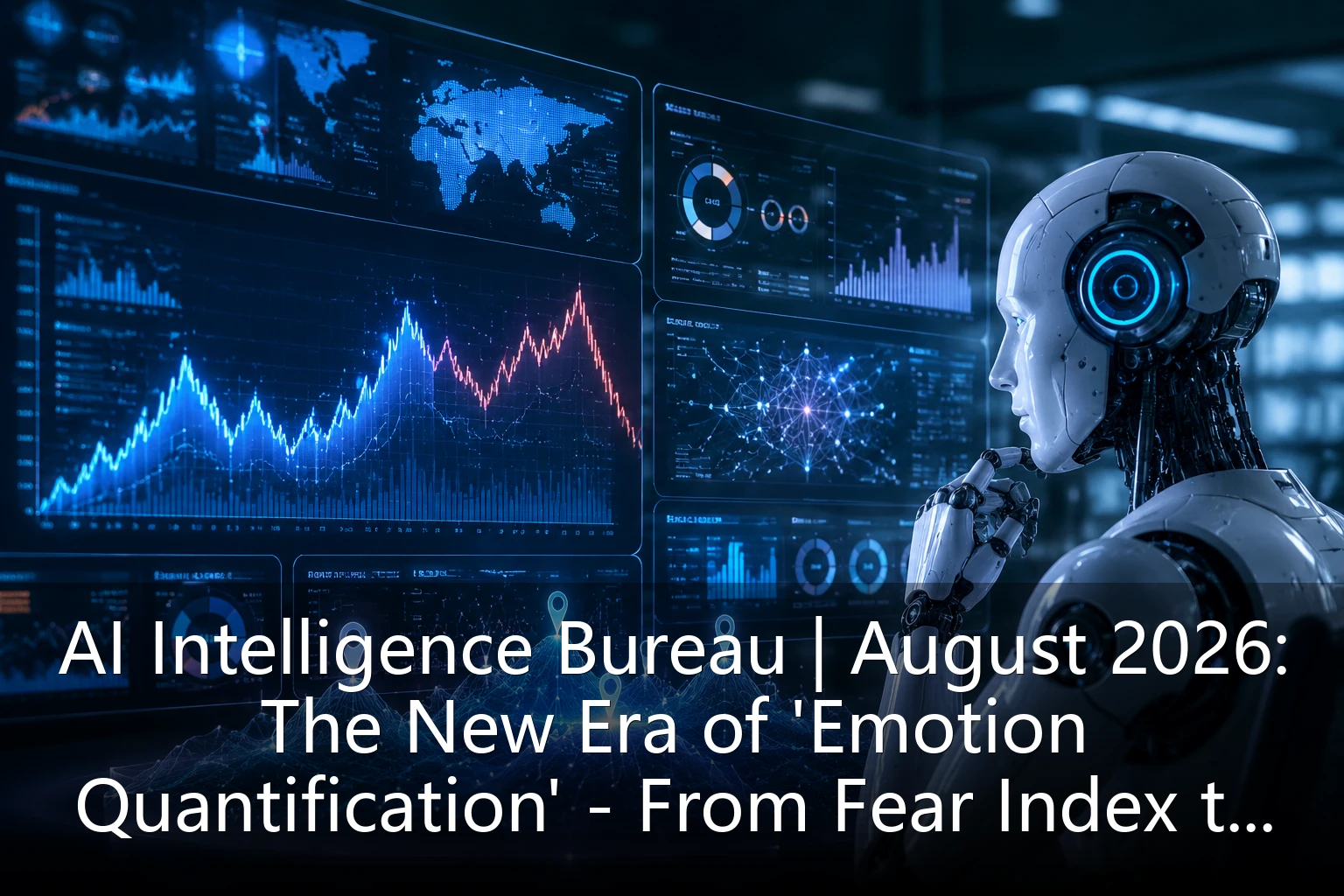
In Q4 2026, global financial markets are undergoing a revolution in emotional analysis driven by AI. Traditional market sentiment indicators, such as the Fear & Greed Index and the Volatility Index (VIX), are being replaced by more complex AI psychological profiles. This transformation is not only changing how market participants understand sentiment but is fundamentally reshaping the underlying logic of investment decision-making. This article will delve into the latest advancements in AI sentiment analysis technology and its profound impact on Hong Kong stock market interpretation and investment strategies.
Limitations of Traditional Sentiment Indicators
Before the rise of AI technology, market sentiment analysis primarily relied on several traditional indicators. While these indicators reflected market sentiment to some extent, they had significant limitations. First, traditional indicators often relied on single data sources, such as social media sentiment, option volatility, or capital flows, failing to comprehensively capture the complex psychological states of market participants.
Second, traditional sentiment indicators exhibit significant lag. When market sentiment shifts, these indicators often take hours or even days to react, missing optimal trading opportunities. More importantly, traditional indicators struggle to distinguish between short-term emotional fluctuations and long-term trend changes, leading investors astray when identifying market turning points.
Third, traditional sentiment analysis lacks adaptability to market structural changes. In 2026, the Hong Kong stock market structure has undergone significant changes, with algorithmic trading accounting for over 40% of transactions and retail investor behavior becoming more institutionalized. Traditional sentiment indicators struggle to capture how these structural changes affect market sentiment.
AI Sentiment Profiles: The Leap from Data to